Therapy Support For Post-traumatic Stress Disorder
Your System Doesn’t Switch Off
After something overwhelming, it’s normal for your body to stay alert for a while. But sometimes that response doesn’t ease—it stays active, long after the situation has passed.
You might notice that certain moments, places, or even small sensations bring everything rushing back, as if it’s happening again.
PTSD develops when your system hasn’t had the chance to fully process what happened—so it keeps trying to protect you, even when you’re no longer in danger.

How Trauma Gets “Stuck”
PTSD can develop after experiences that felt threatening, frightening, or beyond your control.
This might include:
accidents, injuries, or medical events
assault or violence
witnessing something distressing
sudden loss or crisis
repeated exposure to high-stress situations
Rather than being stored as a past memory, the experience remains active—more like something unfinished than something over.
The Different Ways It Can Show Up
PTSD isn’t one single experience—it tends to affect multiple layers at once.
Some people feel pulled back into the past through intrusive memories or dreams. Others notice how much energy goes into avoiding reminders, even subtle ones.
There can also be shifts in how you feel day to day—like emotional numbness, disconnection, or a persistent sense of unease. At the same time, your body may stay on high alert, making it hard to relax, sleep, or fully settle.
These responses can feel confusing, especially when part of you knows you’re safe, but another part doesn’t register it.
The Mind–Body Disconnect
One of the most frustrating aspects of PTSD is the gap between logic and feeling.
You may understand that the event is over, but your body reacts as if it’s still happening. This can lead to intense physical responses—racing heart, tension, sudden fear—without a clear present-day cause.
These reactions are not random. They reflect how your nervous system adapted to protect you.
How Therapy Works With This
Therapy for PTSD focuses on helping your system process what it couldn’t at the time—without overwhelming you in the process.
This might involve:
building a sense of safety before approaching the trauma directly
learning how to calm and regulate your body
gradually processing memories so they feel less immediate
reducing avoidance patterns that keep life feeling restricted
reshaping beliefs that formed during the experience
The goal isn’t to relive everything—it’s to help your system recognize that the threat has passed.

Ways We Approach Treatment at Healing Journey Services
At Healing Journey Services, therapy is tailored to how trauma is showing up for you—both mentally and physically.
Approaches may include:
Cognitive therapies to work with thoughts, meaning, and self-perception
EMDR and trauma processing methods to reduce the intensity of memories
Somatic work to release stored tension and regulate the nervous system
Parts-based therapy to understand internal conflicts and protective responses
The process is flexible and collaborative, adapting as your needs shift over time.

What Becomes Possible
As trauma is processed, things begin to feel different—not all at once, but gradually.
You may find:
memories feel more distant and less intrusive
your body settles more easily
you’re less reactive to triggers
daily life feels more open and manageable
a sense of safety begins to return
Healing Journey Services provides a space where you can work through trauma at your own pace—and begin to experience life with more stability, clarity, and ease.
Contact Us To Get Started
STEP ONE: CONTACT US

There are multiple ways to get in touch depending on your comfort level. You can call, text, email or fill out the form below.
STEP TWO: SET UP A 15 MINUTE CONSULT

You can connect to our administration team and/or a therapist for a complimentary phone call to ask questions, learn about our process and the next steps forward. This is your chance to find out if the therapist is a good fit, without a commitment
STEP THREE: SCHEDULE AN APPOINTMENT

Begin your healing journey. Whether it is through video sessions virtually or in person at our Saugeen Shores office, set up your first appointment today.
Meet Our Team
Jodie Beeksma

Registered Social Worker, Psychotherapist
In Person (Saugeen Shores) & Virtual
Jordan Kian
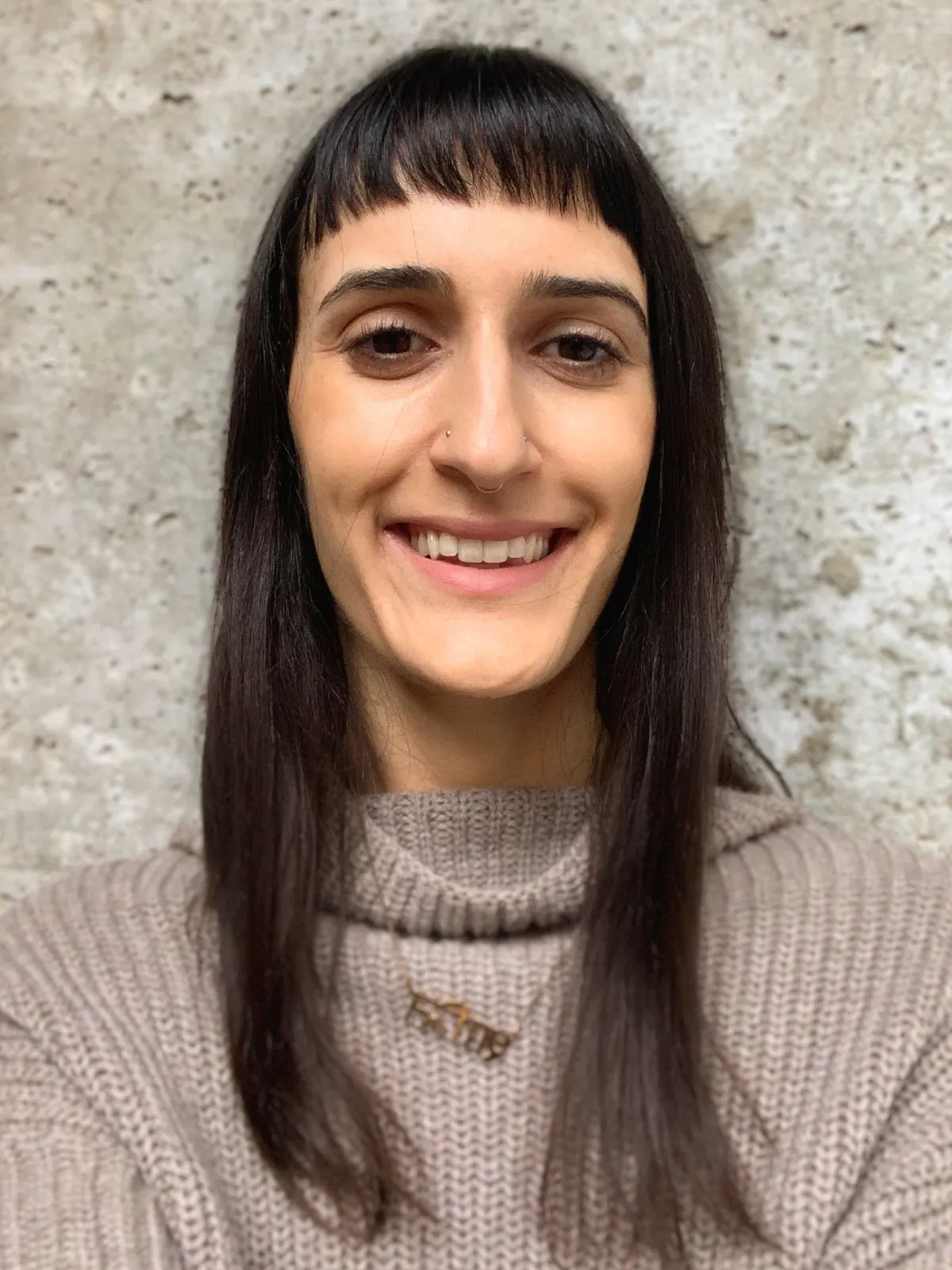
Registered Social Worker, Psychotherapist
Virtual
Karah Kirkland

Registered Social Worker, Psychotherapist
In Person (Saugeen Shores) & Virtual
Jessica Brown

Registered Social Worker, Psychotherapist
Virtual
Sonia Nasri

Registered Social Worker, Psychotherapist
Virtual