Therapy Support For Motor Vehicle Accidents
After the Impact
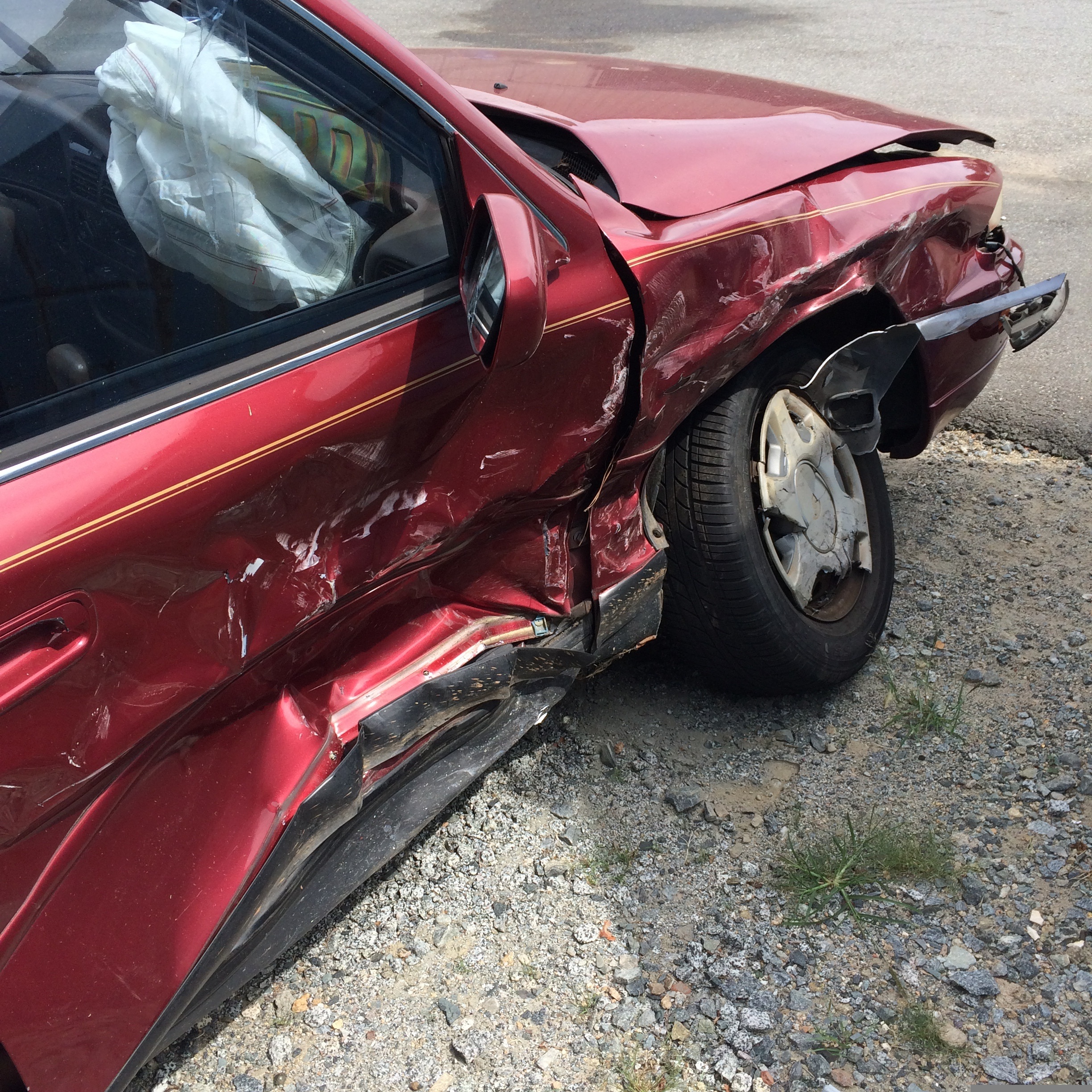
A motor vehicle accident can end in a moment—but its effects often don’t.
Even after injuries heal or life returns to routine, something may still feel unsettled. You might notice tension while driving, flashes of the accident, or a sense of unease that wasn’t there before.
These responses are not unusual. They reflect how your system is trying to make sense of what happened.
It’s Not Just Physical Recovery
Accidents are often approached as physical events, but they can also be deeply psychological.
You may experience:
lingering anxiety when driving or being a passenger
replaying the accident in your mind
heightened awareness of danger on the road
difficulty relaxing in situations that used to feel normal
For some, these reactions fade with time. For others, they persist and begin to interfere with daily life.
How It Can Show Up
The impact of an accident can take different forms.
Some people feel on edge—easily startled, tense, or constantly scanning for danger. Others may begin avoiding driving altogether, or only feel safe in very controlled situations.
There can also be less obvious effects, like irritability, disrupted sleep, or difficulty concentrating.
These responses are your nervous system trying to protect you—even if they now feel limiting.
Why It Stays With You
During an accident, the body moves quickly into survival mode. This can make it harder for the experience to be processed in a typical way.
As a result, parts of the memory can remain “active,” which is why certain sounds, movements, or situations can trigger strong reactions later on.
You may know you’re safe—but your body hasn’t fully caught up to that reality.

What Therapy Focuses On
Therapy helps your system process the experience so it no longer feels immediate or overwhelming.
This often includes:
understanding how trauma responses are showing up for you
learning ways to calm and regulate your body
gradually reducing fear associated with driving or being in a vehicle
processing the memory so it feels more like something in the past
rebuilding a sense of safety and confidence
The work is paced carefully, so it feels manageable rather than overwhelming.
Getting Back Behind the Wheel—In Your Own Way
At Healing Journey Services, therapy is tailored to your experience—whether your reactions feel mild or significantly disruptive.
Support may involve:
working through fear and avoidance related to driving
addressing intrusive memories or heightened anxiety
using both cognitive and body-based approaches to reduce stress responses
rebuilding confidence in everyday situations
helping you return to a sense of normalcy at your own pace
There is no expectation to “push through.” The focus is on helping you feel safe again.
Recovery doesn’t mean forgetting the accident. It means it no longer controls how you move through the world.
Over time, you may begin to feel more at ease, more confident in your surroundings, and less reactive to reminders of what happened.
Healing Journey Services offers a space to process the experience and regain a sense of stability—so you can move forward feeling more grounded and in control.

Contact Us To Get Started
STEP ONE: CONTACT US

There are multiple ways to get in touch depending on your comfort level. You can call, text, email or fill out the form below.
STEP TWO: SET UP A 15 MINUTE CONSULT

You can connect to our administration team and/or a therapist for a complimentary phone call to ask questions, learn about our process and the next steps forward. This is your chance to find out if the therapist is a good fit, without a commitment
STEP THREE: SCHEDULE AN APPOINTMENT

Begin your healing journey. Whether it is through video sessions virtually or in person at our Saugeen Shores office, set up your first appointment today.
Meet Our Team
Jodie Beeksma

Registered Social Worker, Psychotherapist
In Person (Saugeen Shores) & Virtual
Jordan Kian
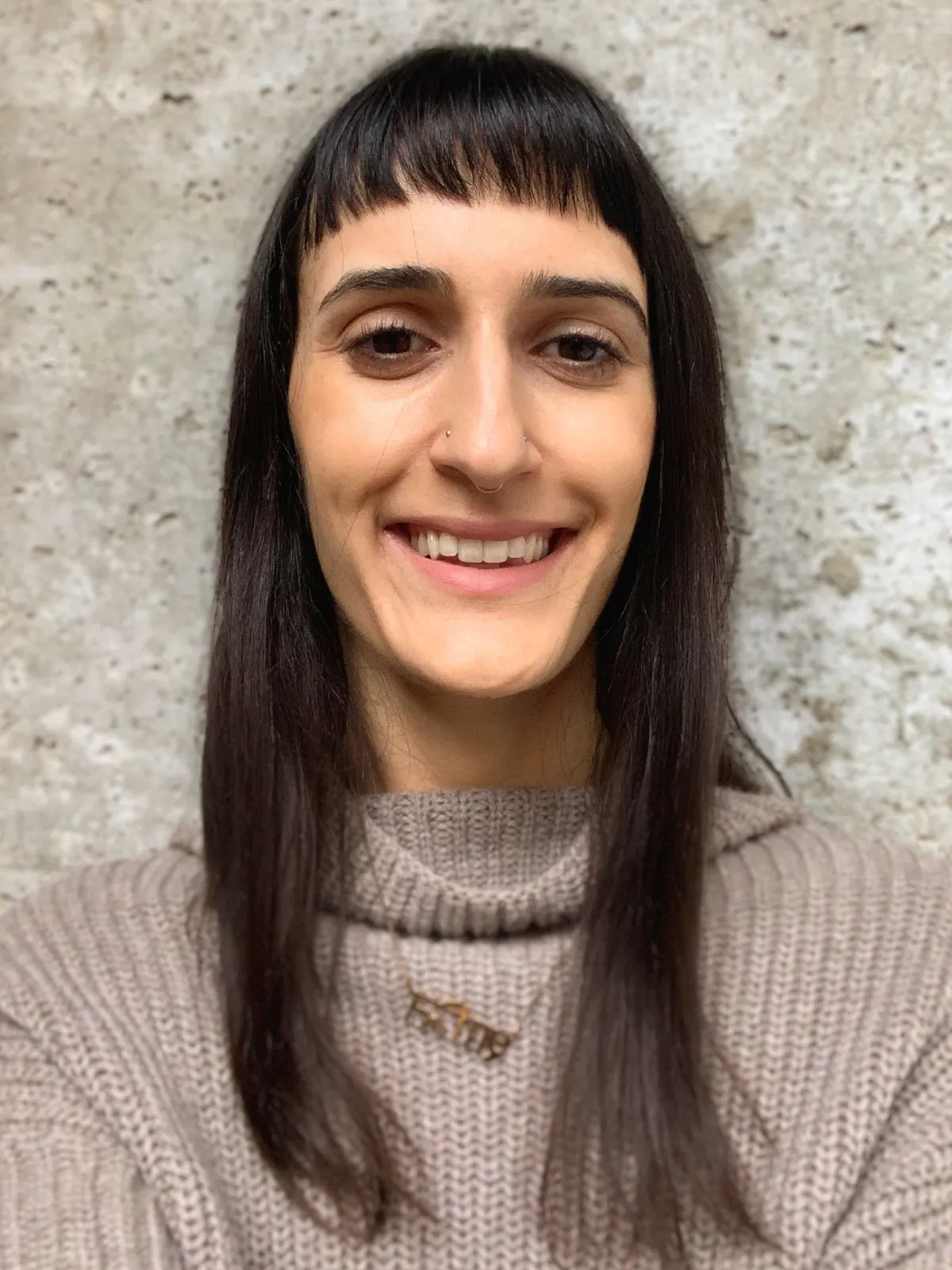
Registered Social Worker, Psychotherapist
Virtual
Karah Kirkland
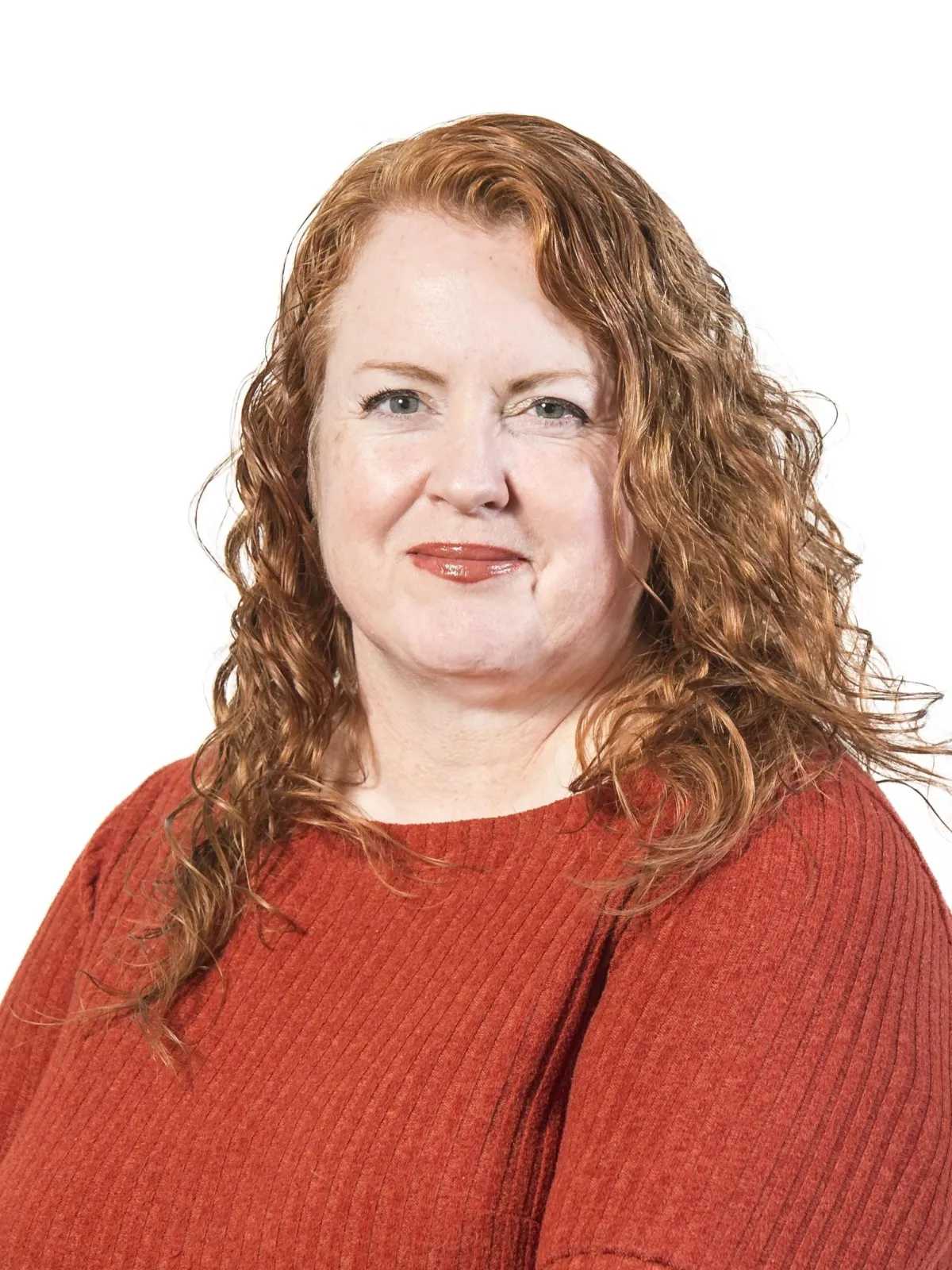
Registered Social Worker, Psychotherapist
In Person (Saugeen Shores) & Virtual
Jessica Brown

Registered Social Worker, Psychotherapist
Virtual
Sonia Nasri

Registered Social Worker, Psychotherapist
Virtual