Therapy Support For Narcissistic Abuse
When Something Feels Off and Hard to Explain
Not all harmful relationships are obvious from the outside. Narcissistic abuse often unfolds in subtle, confusing ways that can leave you questioning your own experience.
You may have felt controlled, dismissed, or emotionally destabilized—yet struggled to clearly name what was happening.
Many people describe a lingering sense of:
“Something isn’t right”
“Maybe it’s me”
“Why do I feel so confused all the time?”
This confusion is not accidental—it’s often part of the dynamic.
Understanding the Pattern
Narcissistic abuse is less about isolated incidents and more about repeated relational patterns that erode your sense of self over time.
These patterns can include:
Gaslighting: being made to doubt your memory, perception, or reality
Emotional manipulation: guilt, blame-shifting, or twisting situations
Inconsistency: cycles of closeness followed by withdrawal or criticism
Control: subtle or overt attempts to influence your decisions, thoughts, or behaviour
Over time, these experiences can leave you feeling disoriented, self-doubting, and emotionally drained.

What It Can Do to Your Sense of Self
One of the most significant impacts of narcissistic abuse is how it shapes the way you see yourself.
You might notice:
second-guessing your thoughts, feelings, or decisions
feeling responsible for other people’s emotions
difficulty trusting your own judgment
a loss of confidence or identity
feeling “smaller” than you used to be
These are not personality traits—they are the result of being in an environment where your reality was repeatedly challenged.
Why It’s So Hard to Leave or Move On
People often wonder why these relationships are so difficult to step away from.
It’s not just emotional—it’s neurological and relational.
There may have been:
periods of warmth or connection that made you hopeful
a strong emotional bond, even when things were painful
confusion that made it hard to fully trust your instincts
fear of conflict, loss, or being misunderstood
This push-pull dynamic can make clarity—and separation—feel incredibly complex.
After the Relationship
Even after distance is created, the impact often remains.
You may find yourself:
replaying conversations or questioning what really happened
feeling heightened anxiety or emotional sensitivity
struggling to trust others—or yourself
carrying lingering guilt, shame, or self-blame
feeling mentally exhausted or disconnected
It can take time to rebuild a sense of stability and clarity.
What Healing Looks Like
Recovery from narcissistic abuse is not about analyzing every detail of the relationship. It’s about restoring your sense of self.
This often involves:
rebuilding trust in your own thoughts and perceptions
understanding manipulation patterns so they no longer have the same effect
processing the emotional impact of the relationship
developing clear, sustainable boundaries
reconnecting with your values, identity, and voice
The focus shifts from them—to you.


Support at Healing Journey Services
At Healing Journey Services, therapy provides a space where your experience is taken seriously—without minimizing, questioning, or reframing it in ways that leave you doubting yourself.
The work may include:
making sense of what happened in a clear, grounded way
strengthening your ability to trust your own judgment
working through confusion, anger, grief, or self-blame
building confidence in setting and maintaining boundaries
exploring patterns so they don’t repeat in future relationships
The pace is steady and collaborative, with a focus on helping you feel more anchored in yourself.
Healing doesn’t mean forgetting the relationship. It means no longer feeling defined or destabilized by it.
Over time, you may begin to feel clearer in your thinking, more confident in your decisions, less affected by past dynamics, more secure in your relationships, and more connected to who you are.
Healing Journey Services offers a space to rebuild that clarity and stability—so you can move forward with a stronger sense of self and trust in your own experience.
Contact Us To Get Started
STEP ONE: CONTACT US

There are multiple ways to get in touch depending on your comfort level. You can call, text, email or fill out the form below.
STEP TWO: SET UP A 15 MINUTE CONSULT

You can connect to our administration team and/or a therapist for a complimentary phone call to ask questions, learn about our process and the next steps forward. This is your chance to find out if the therapist is a good fit, without a commitment
STEP THREE: SCHEDULE AN APPOINTMENT

Begin your healing journey. Whether it is through video sessions virtually or in person at our Saugeen Shores office, set up your first appointment today.
Meet Our Team
Jodie Beeksma

Registered Social Worker, Psychotherapist
In Person (Saugeen Shores) & Virtual
Jordan Kian
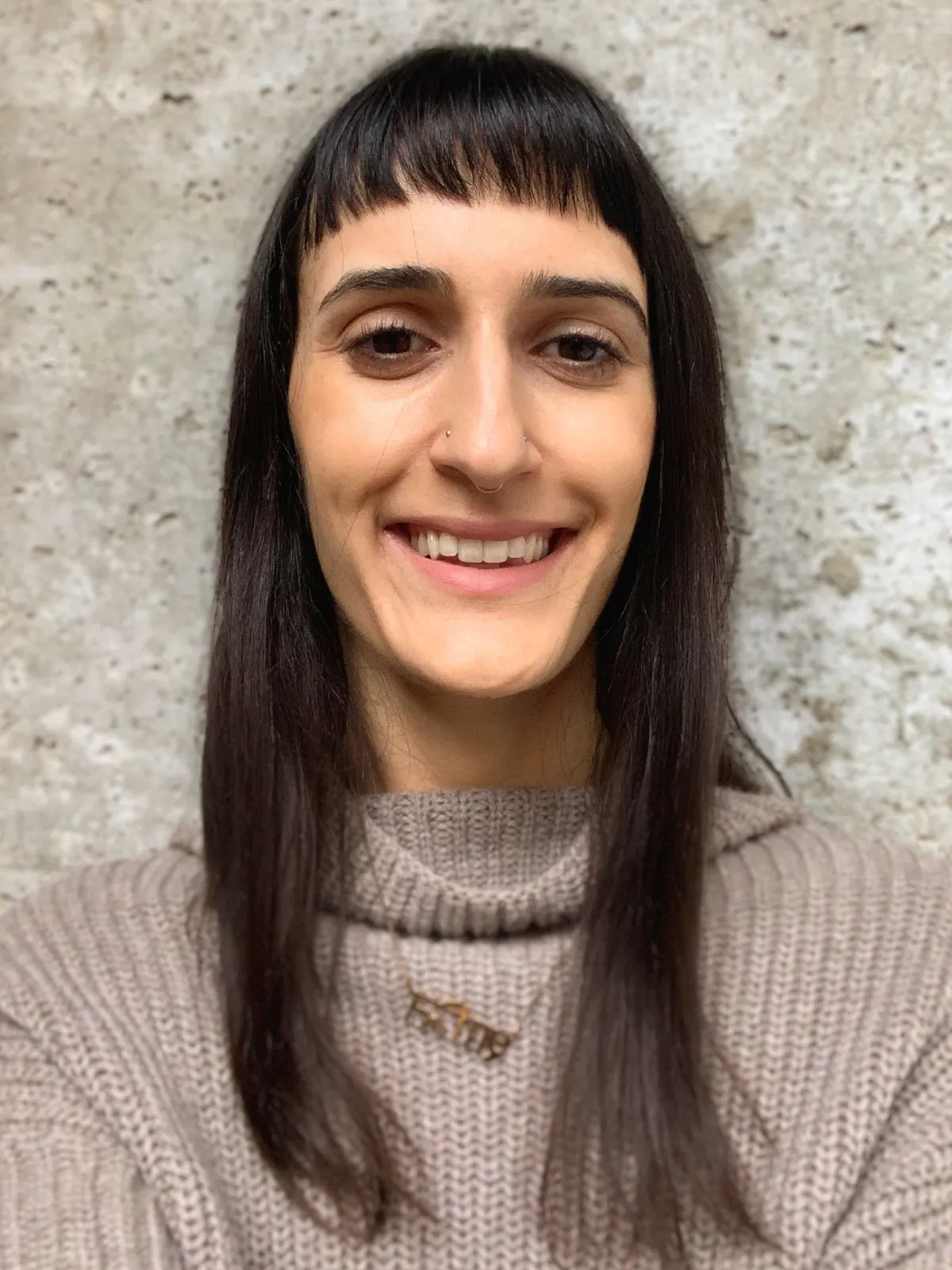
Registered Social Worker, Psychotherapist
Virtual
Karah Kirkland

Registered Social Worker, Psychotherapist
In Person (Saugeen Shores) & Virtual
Jessica Brown

Registered Social Worker, Psychotherapist
Virtual
Sonia Nasri

Registered Social Worker, Psychotherapist
Virtual