Therapy Support For Childhood Trauma
It Doesn’t Stay Back Then
Childhood experiences don’t simply fade with time. Even when life looks different on the surface, early experiences can continue to shape how you think, feel, and relate.
Sometimes this shows up in clear ways. Other times, it’s more subtle—patterns that repeat, reactions that feel disproportionate, or a lingering sense that something isn’t fully resolved.
You may not consciously connect these to childhood, but your system often carries what wasn’t able to be processed at the time.
Not Just the Obvious Moments
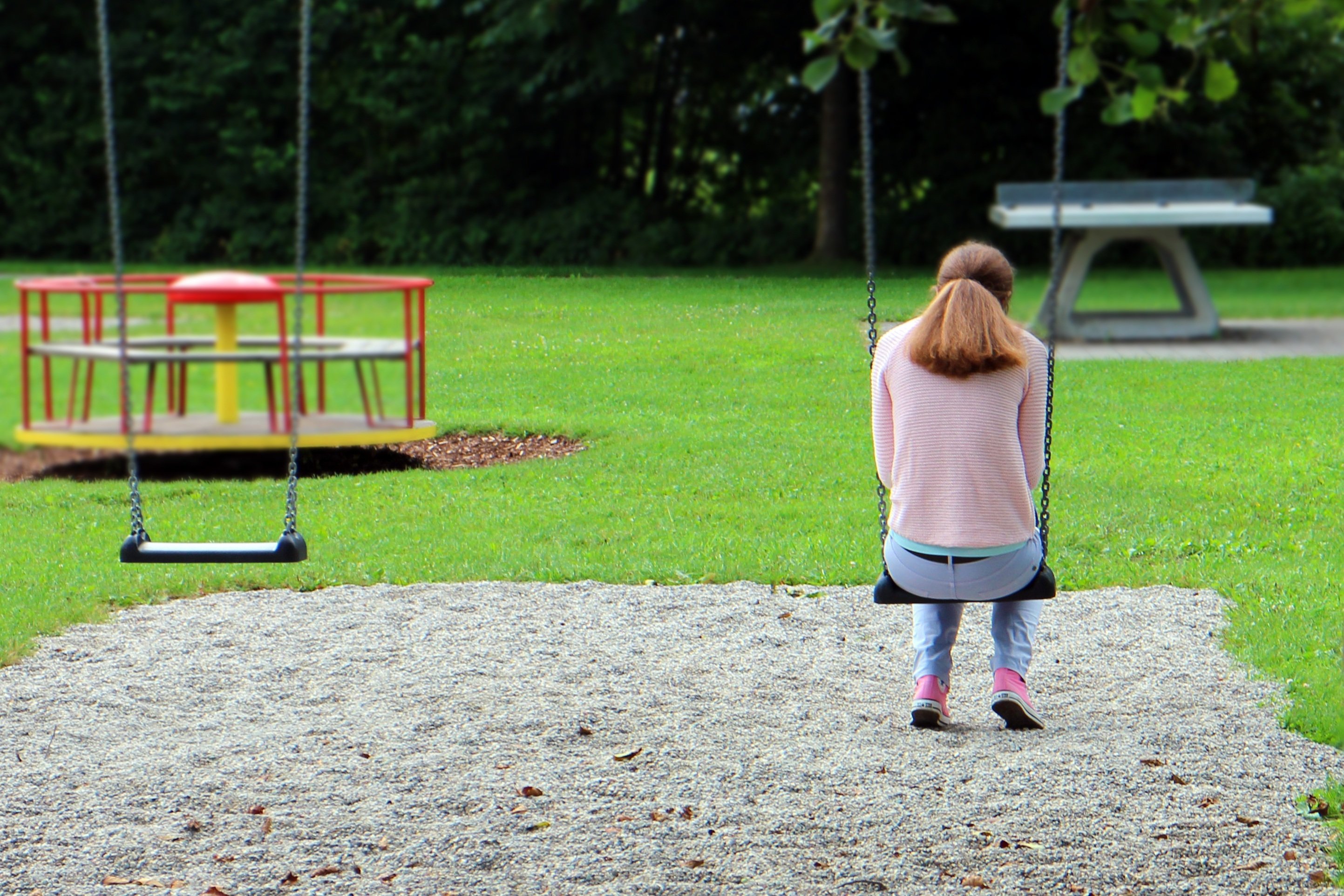
Trauma isn’t limited to single, extreme events. It can also come from repeated experiences where something important was missing—safety, consistency, or emotional support.
This might include:
feeling dismissed or unheard
growing up in unpredictability or conflict
needing to take on responsibility too early
learning that your emotions weren’t safe to express
Many people question whether their experiences “count.” What matters is not how it looked from the outside, but how it was experienced internally.
The Patterns That Follow You
What you adapted to in childhood often becomes automatic in adulthood.
You might notice:
difficulty trusting or opening up to others
strong reactions that feel hard to control
a tendency to people-please or avoid conflict
a persistent inner critic or sense of not being enough
These patterns didn’t come from nowhere—they developed as ways to cope, protect, or stay connected in earlier environments.
When Your Body Remembers
Not all trauma is held in thoughts. Much of it lives in the body.
You may feel constantly tense, easily overwhelmed, or shut down in certain situations without fully understanding why.
Even when things are objectively safe, your system may still respond as if it needs to stay on guard.
These responses are learned—and importantly, they can be unlearned.
What This Work Involves
Therapy isn’t about going back and reliving everything. It’s about slowly making sense of how the past is shaping the present.
This often includes:
noticing patterns rather than judging them
understanding how your responses were once protective
building new ways to regulate emotions and stress
creating space between triggers and reactions
The process is gradual, and it moves at a pace that feels manageable.
Making Sense of It—On Your Terms
At Healing Journey Services, therapy is collaborative and grounded in your experience.
Together, you explore how early environments shaped your beliefs, relationships, and sense of self—without forcing change before you’re ready. The goal is to help you understand your patterns clearly enough that new options begin to emerge.

A Different Way of Being
Healing doesn’t erase the past, but it changes how much it shapes you.
Over time, you may begin to feel:
more steady in your emotions
less reactive in familiar situations
more connected to yourself and others
more choice in how you respond
Healing Journey Services offers a space where your experiences are understood in context—so you can move forward with greater clarity, flexibility, and self-trust.
Contact Us To Get Started
STEP ONE: CONTACT US

There are multiple ways to get in touch depending on your comfort level. You can call, text, email or fill out the form below.
STEP TWO: SET UP A 15 MINUTE CONSULT

You can connect to our administration team and/or a therapist for a complimentary phone call to ask questions, learn about our process and the next steps forward. This is your chance to find out if the therapist is a good fit, without a commitment
STEP THREE: SCHEDULE AN APPOINTMENT

Begin your healing journey. Whether it is through video sessions virtually or in person at our Saugeen Shores office, set up your first appointment today.
Meet Our Team
Jodie Beeksma

Registered Social Worker, Psychotherapist
In Person (Saugeen Shores) & Virtual
Jordan Kian
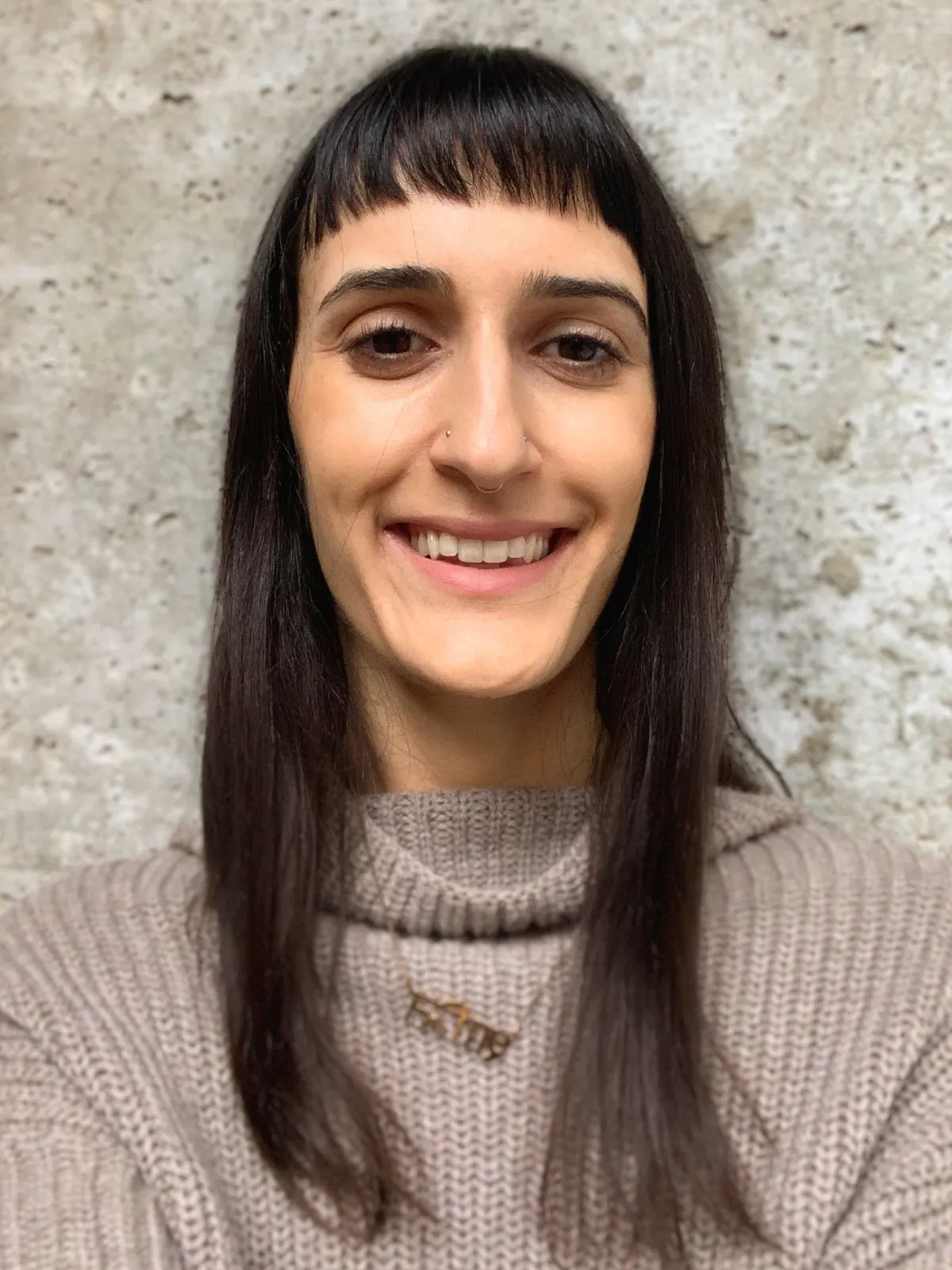
Registered Social Worker, Psychotherapist
Virtual
Karah Kirkland

Registered Social Worker, Psychotherapist
In Person (Saugeen Shores) & Virtual
Jessica Brown

Registered Social Worker, Psychotherapist
Virtual
Sonia Nasri

Registered Social Worker, Psychotherapist
Virtual