Therapy Support For Domestic Violence
When Safety Feels Uncertain
Domestic violence isn’t always visible from the outside. It can develop gradually through patterns that create fear, control, or a loss of autonomy within a relationship.
You may find yourself walking on eggshells, carefully managing what you say or do to avoid conflict. Over time, this can create a constant sense of tension, even in moments that appear calm.
What matters most is not how it looks to others, but how it feels to you.

It’s Not Just Physical
Domestic violence can take many forms, and it often extends beyond physical harm.
This can include:
Emotional abuse: criticism, humiliation, intimidation, or manipulation
Psychological control: gaslighting, threats, or creating confusion and self-doubt
Financial control: limiting access to money or independence
Isolation: restricting contact with friends, family, or support systems
Coercion: pressure, fear, or control over your choices
These patterns are about power and control, and they can have a deep and lasting impact.
The Impact Over Time
Living in this kind of environment can affect how you think, feel, and respond.
You might notice:
heightened anxiety or constant alertness
difficulty trusting your own judgment
feeling responsible for keeping the peace
confusion, self-doubt, or emotional exhaustion
There can also be moments of warmth or calm that make the situation harder to understand or leave, creating a cycle that feels difficult to break.


Why It’s Hard to Talk About
Many people hesitate to speak about domestic violence.
There may be:
fear of consequences or escalation
concern about not being believed or understood
feelings of shame, guilt, or self-blame
hope that things will change
These responses are common and understandable. They reflect the complexity of the situation—not a lack of strength.
What Support Can Look Like
Support is not about telling you what to do. It’s about helping you feel safer, clearer, and more supported in whatever decisions you make.
This may involve:
understanding what you’re experiencing without minimizing it
exploring options at a pace that feels manageable
rebuilding trust in your own instincts and judgment
developing strategies to increase safety and support
processing the emotional impact of the relationship
The focus is on your autonomy—your choices remain yours.

Moving Toward Safety and Stability
Therapy offers a confidential and non-judgmental space where your experience is taken seriously.
The work is guided by your needs and may include:
creating a space where you can speak openly and safely
making sense of confusing or conflicting feelings
strengthening your sense of self and personal boundaries
supporting you in navigating next steps, whatever they may be
reconnecting with sources of support and stability
There is no pressure to take any particular path. The pace and direction are led by you.
Change can feel complex, especially when safety, emotions, and practical realities are all involved.
With the right support, it becomes possible to feel more grounded, more certain in your decisions, and more connected to your own sense of safety and worth.
Healing Journey Services provides a space where you are supported in finding a way forward—one that prioritizes your safety, your voice, and your well-being.
Contact Us To Get Started
STEP ONE: CONTACT US

There are multiple ways to get in touch depending on your comfort level. You can call, text, email or fill out the form below.
STEP TWO: SET UP A 15 MINUTE CONSULT

You can connect to our administration team and/or a therapist for a complimentary phone call to ask questions, learn about our process and the next steps forward. This is your chance to find out if the therapist is a good fit, without a commitment
STEP THREE: SCHEDULE AN APPOINTMENT

Begin your healing journey. Whether it is through video sessions virtually or in person at our Saugeen Shores office, set up your first appointment today.
Meet Our Team
Jodie Beeksma

Registered Social Worker, Psychotherapist
In Person (Saugeen Shores) & Virtual
Jordan Kian
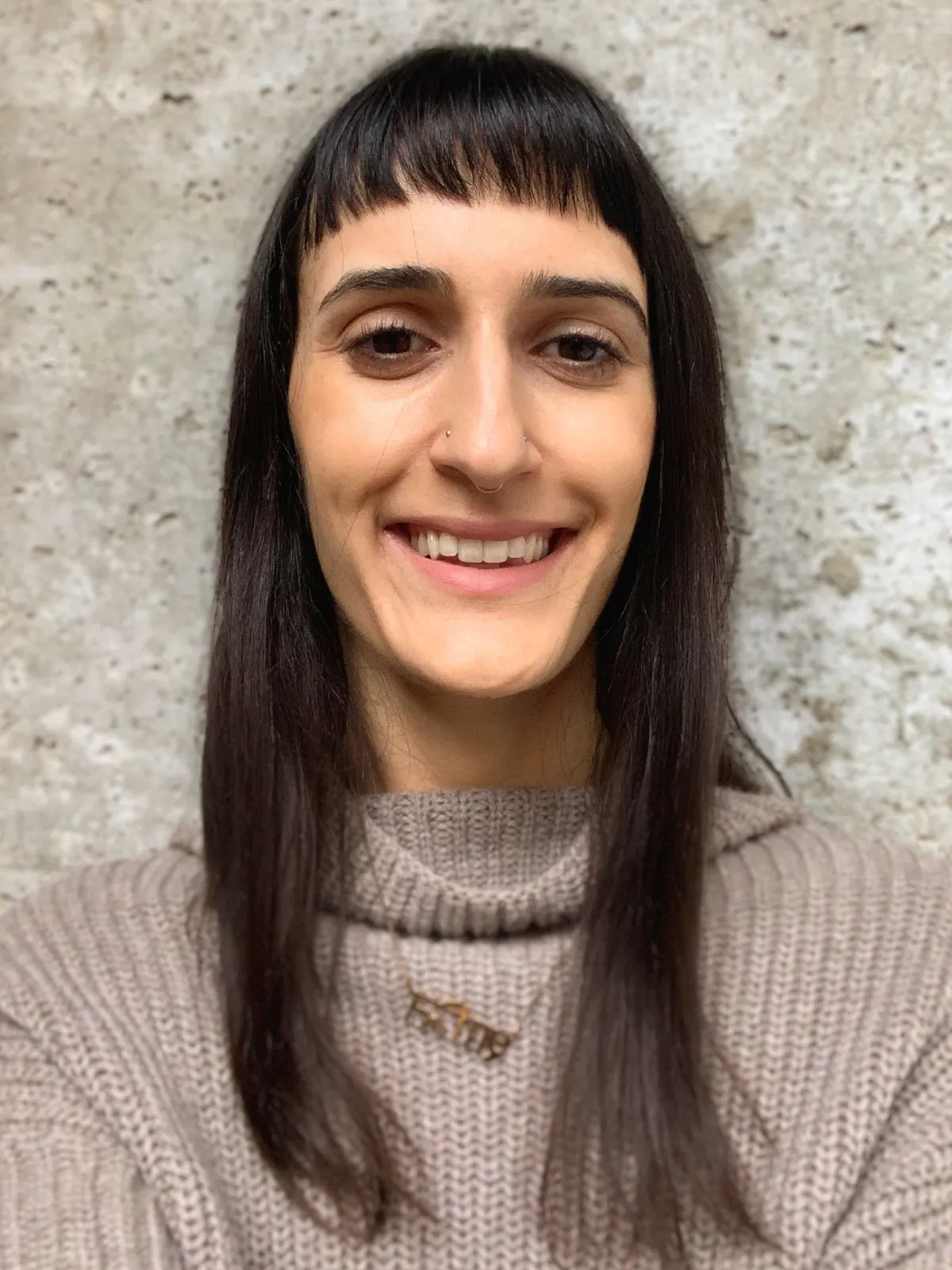
Registered Social Worker, Psychotherapist
Virtual
Karah Kirkland
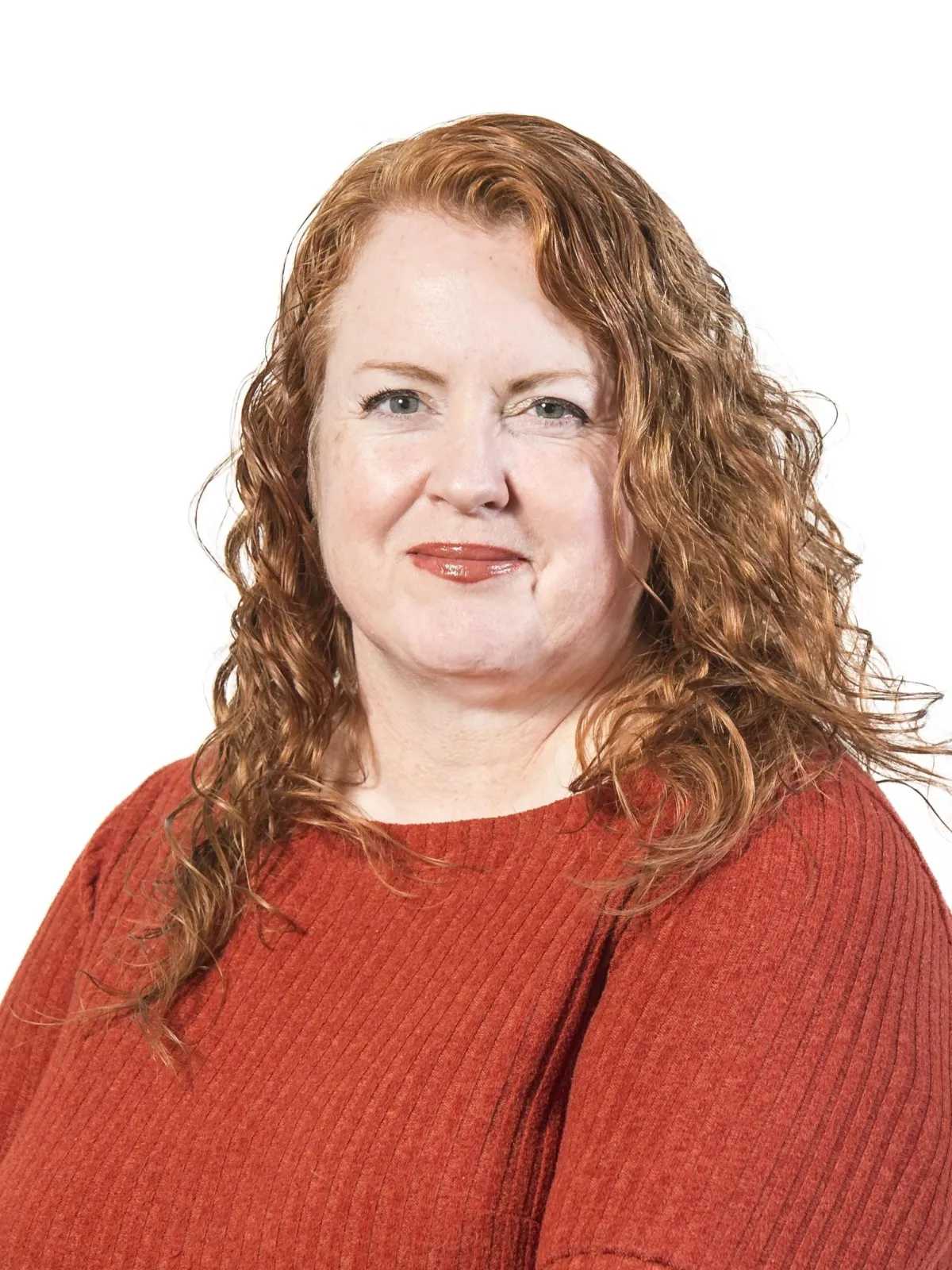
Registered Social Worker, Psychotherapist
In Person (Saugeen Shores) & Virtual
Jessica Brown

Registered Social Worker, Psychotherapist
Virtual
Sonia Nasri
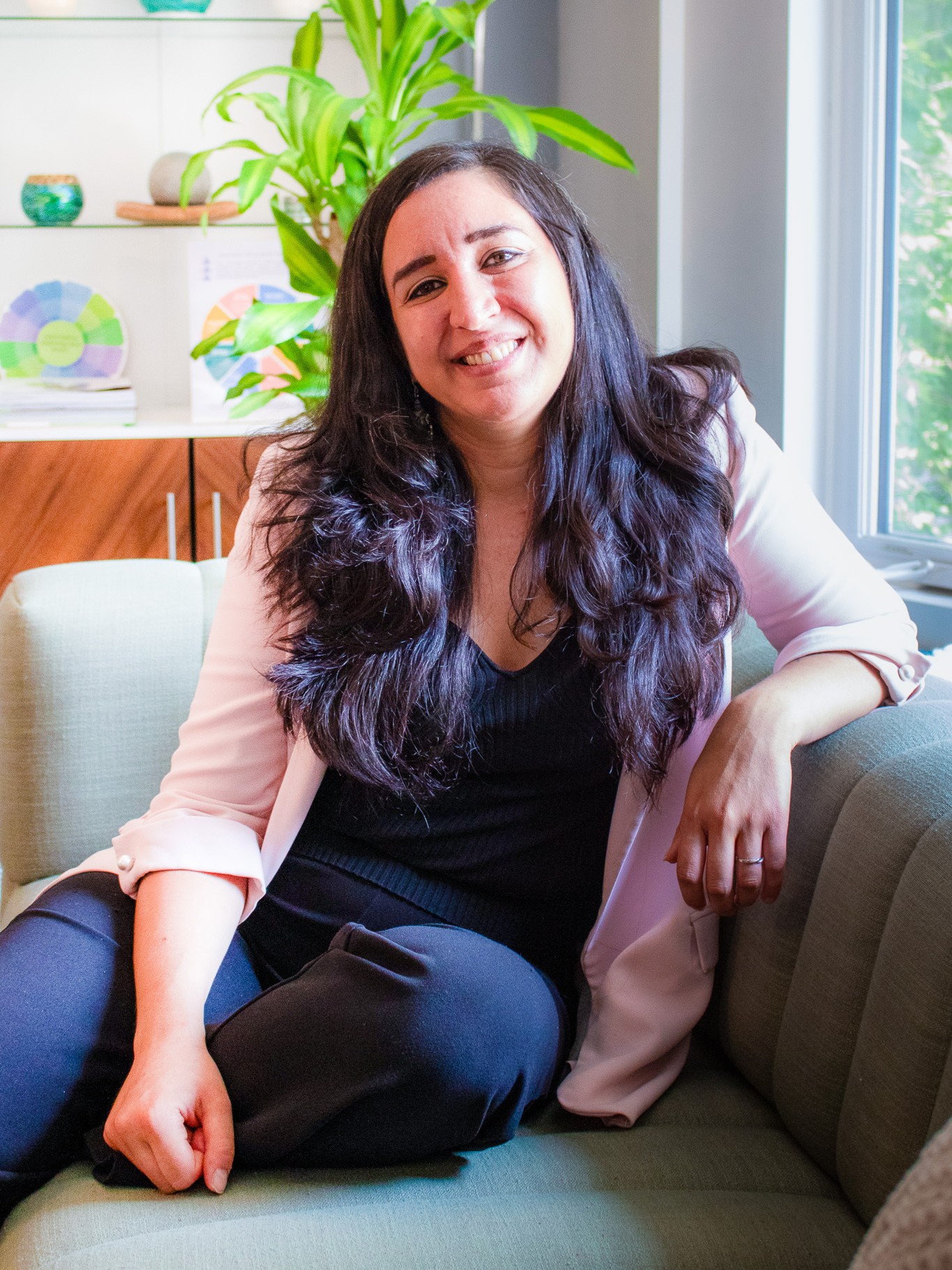
Registered Social Worker, Psychotherapist
Virtual