Therapy Support For Complex Post-traumatic Stress Disorder (CPTSD)
When Trauma Isn’t Just One Event
Not all trauma comes from a single moment. For many people, it develops over time—through repeated experiences where safety, stability, or trust were missing.
This might come from childhood environments, relationships, or prolonged periods of stress where there was no clear way to escape or feel supported.
Over time, this kind of trauma doesn’t just impact memories—it shapes how you see yourself, others, and the world around you.
What Makes CPTSD Different
While PTSD is often linked to a specific event, CPTSD is usually the result of ongoing or repeated experiences.
The impact tends to be broader and more deeply embedded, often affecting:
your sense of identity
how you regulate emotions
how safe you feel in relationships
It’s not just about what happened—it’s about how those experiences were lived, and what had to be adapted in order to cope.


How It Can Feel
CPTSD doesn’t look the same for everyone, but there are some common threads.
You may find yourself:
caught in cycles of overthinking, fear, or emotional overwhelm
feeling numb or disconnected at times
struggling with shame or a harsh inner critic
finding relationships difficult to navigate or trust
reacting strongly to situations without fully understanding why
There can also be a sense of being “on edge” or, at the opposite extreme, shut down.
The Inner Experience
Beyond the more visible symptoms, many people with CPTSD carry an internal experience that’s harder to put into words.
This can include:
feeling fundamentally different from others
difficulty knowing what you feel or need
a persistent sense of guilt, shame, or self-blame
feeling stuck in survival mode, even when life is relatively stable
These responses are not signs of weakness—they are the result of your system adapting to prolonged stress.
Patterns That Develop Over Time
When trauma is ongoing, your system learns ways to cope that can later feel limiting.
You might notice:
prioritizing others’ needs over your own
difficulty setting boundaries
avoiding conflict or, at times, feeling overwhelmed by it
seeking control or predictability to feel safe
These patterns once served a purpose. Therapy helps you understand them, so they no longer have to run automatically.
What Healing Involves
Healing from CPTSD is not about “getting over it.” It’s about creating a different relationship with your thoughts, emotions, and body.
This often includes:
building a sense of safety internally and in relationships
learning how to regulate intense emotional states
gently processing past experiences at your own pace
reducing shame and self-criticism
developing a more stable and compassionate sense of self
The process is gradual, and it respects your capacity at every step.

Working Together at Healing Journey Services
At Healing Journey Services, therapy is paced, collaborative, and grounded in understanding how trauma lives in both the mind and body.
Support may involve:
making sense of your experiences without overwhelm
learning practical ways to manage emotional intensity
working with both thoughts and physical responses to stress
exploring relationship patterns in a safe, supportive space
rebuilding trust—in yourself and, over time, in others
There is no expectation to share everything all at once. The work unfolds in a way that feels manageable and steady.

A Different Future Is Possible
CPTSD can make it feel like you’re stuck in patterns that won’t change. But with the right support, those patterns can begin to shift.
Over time, you may notice:
more space between trigger and reaction
greater emotional stability
a quieter, less critical inner voice
more ease in relationships
a stronger sense of who you are, beyond what you’ve been through
Healing Journey Services offers a space where your experiences are understood in context—and where healing is approached with care, patience, and respect for your pace.
Contact Us To Get Started
STEP ONE: CONTACT US

There are multiple ways to get in touch depending on your comfort level. You can call, text, email or fill out the form below.
STEP TWO: SET UP A 15 MINUTE CONSULT

You can connect to our administration team and/or a therapist for a complimentary phone call to ask questions, learn about our process and the next steps forward. This is your chance to find out if the therapist is a good fit, without a commitment
STEP THREE: SCHEDULE AN APPOINTMENT

Begin your healing journey. Whether it is through video sessions virtually or in person at our Saugeen Shores office, set up your first appointment today.
Meet Our Team
Jodie Beeksma

Registered Social Worker, Psychotherapist
In Person (Saugeen Shores) & Virtual
Jordan Kian
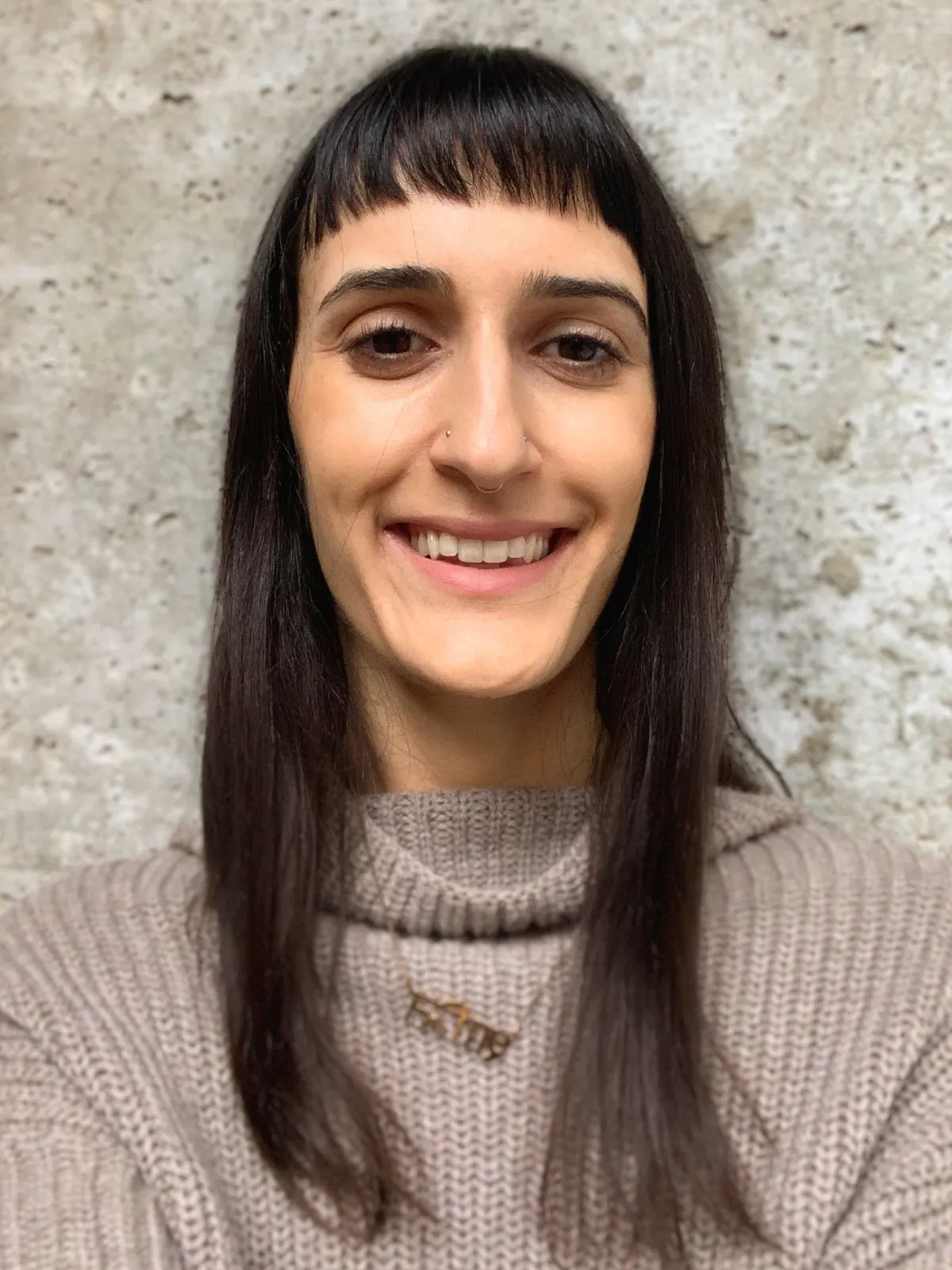
Registered Social Worker, Psychotherapist
Virtual
Karah Kirkland
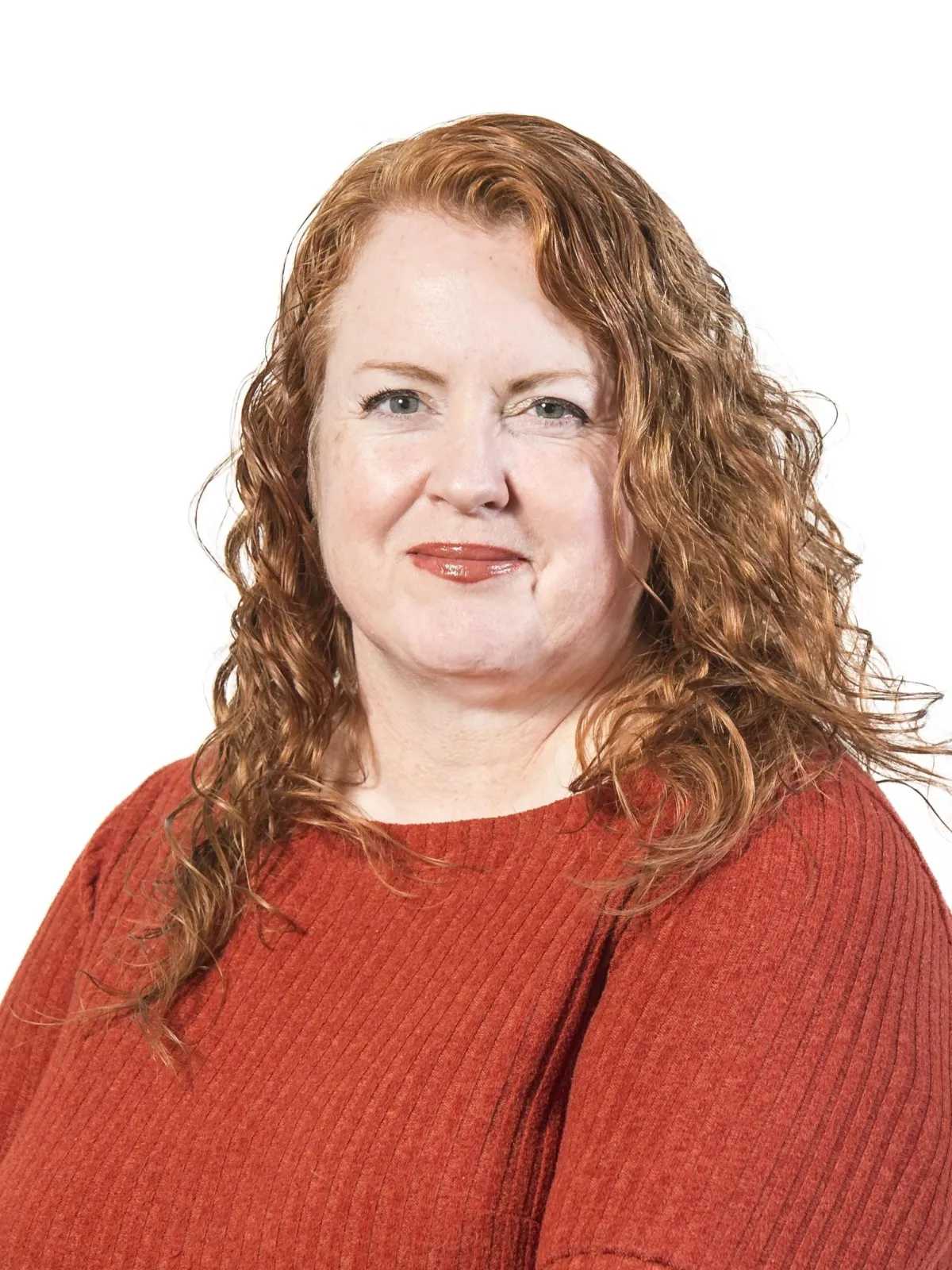
Registered Social Worker, Psychotherapist
In Person (Saugeen Shores) & Virtual
Jessica Brown
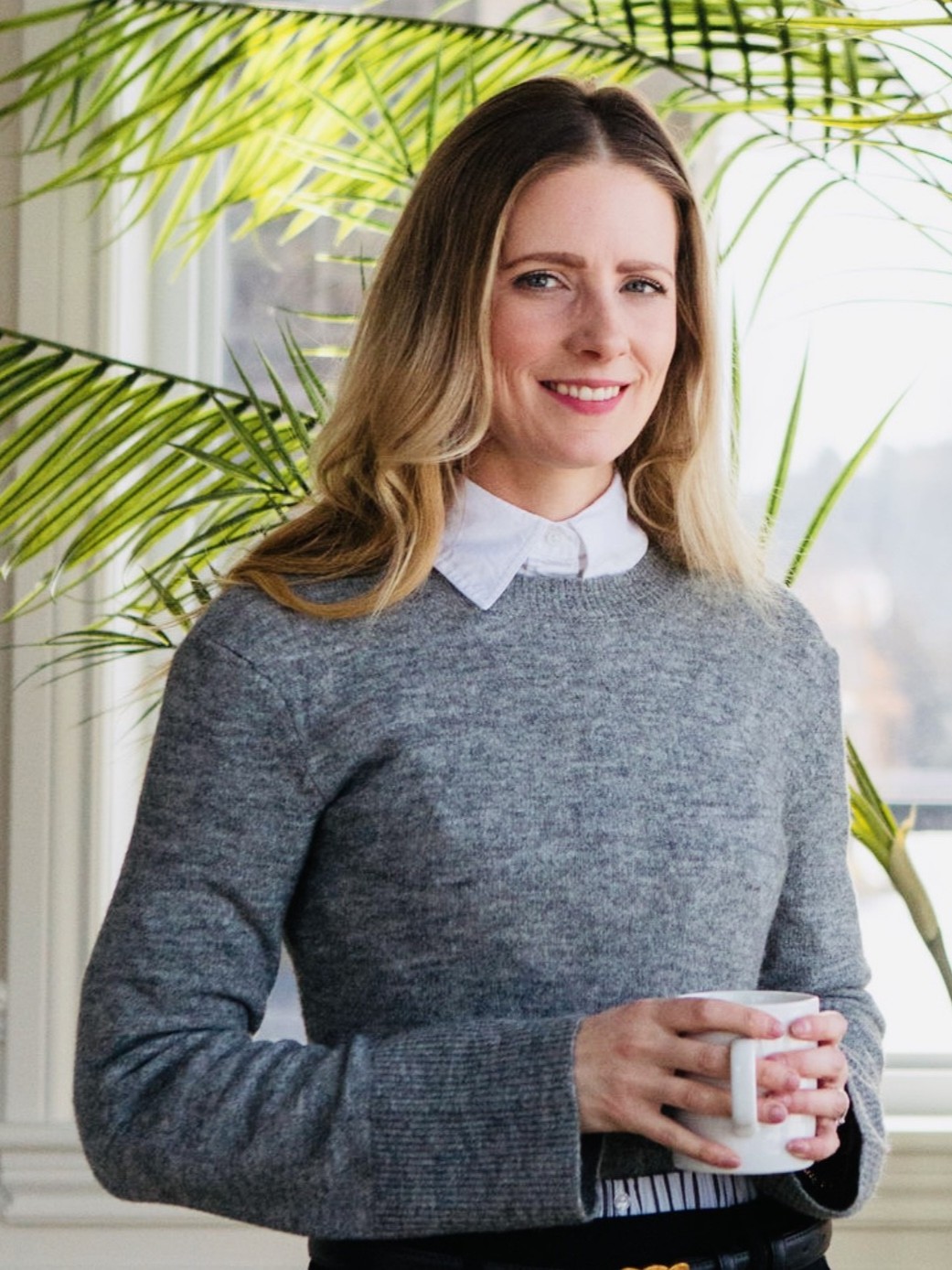
Registered Social Worker, Psychotherapist
Virtual
Sonia Nasri

Registered Social Worker, Psychotherapist
Virtual